2026 Western Canada Feedlot Management School
28th Western Canada Feedlot Management School
February 10-12, 2026
Saskatoon Inn & Conference Centre, 2002 Airport Dr, Saskatoon, SK
Proud supporters of WCFMS:
 |
 |
 |
TUESDAY FEBRUARY 10, 2026
*NOTE: Click on the speaker's name to view their speaker profile (speaker profiles coming soon)
| 6:00pm | Registration, Trade Show and Cocktails |
| 7:00pm | Welcome and Introductions Kevin Antworth, Saskatchewan Cattle Feeders Association |
|
KEYNOTE ADDRESS |
|
| 7:15pm | Building Your Team for Success! Does work culture attract new people to your operation? Are you interested in leveling up your management training? Hear how successful farms are shifting their approach and the role it has on their overall success. Evan Shout – Maverick Ag |
| 8:15pm | Networking and Tradeshow |
WEDNESDAY FEBRUARY 11, 2026
*NOTE: Click on the speaker's name to view their speaker profile (speaker profiles coming soon)
| 7:00am | Registration, Breakfast and Tradeshow |
| 8:00am | Opening Remarks and Introductions Kevin Antworth, Saskatchewan Cattle Feeders Association |
|
ANIMAL HEALTH |
|
| 8:10am | Is There Hope for Mycoplasma Prevention? Hear about this impact of this pathogen on beef cattle in the feedlot and about an emerging vaccine. Bruce Kostelansky – Zoetis |
| 8:50am | Evolution of Respiratory Vaccines We all know the impact of BRD on cattle feeding. What have we learned about the various respiratory vaccines and is it time to start shifting our protocols? John Ellis – Western College of Veterinary Medicine |
| 9:20am | AIP - What We Know and What we are Learning We Don’t Know! AIP has become more prevalent in feedlot cattle over the past number of years. Hear about advancements made in managing this disease as well as the challenges we may yet face. Dr. Emily Snyder – Western College of Veterinary Medicine |
| 9:55am | Refreshment and Networking Break |
|
MARKETING |
|
| 10:30am | COP - Three Little Letters That Can Make or Break You! With feeder cattle requiring twice the cash to place this year, understanding your costs and knowing exactly where operational expenses lie is more important than ever. Kathy Larson – University of Saskatchewan |
| 11:15am | Risk Management Toolbox Risk Management has long been a part of agricultural operations, but current cattle markets have made it absolutely essential. Learn about the tools available and how/when to use them to your advantage. Bevin Hudson - JGL |
| 12:00pm | Lunch and Networking |
|
ANIMAL NUTRITION |
|
| 1:00pm | New Feed Barley Varieties An update on new feed barley varieties available to cattle feeders in Canada. Mitchell Japp – SK Barley |
| 1:20pm | Making the Most of Cereal Straw Hear from a researcher about opportunities for cereal straw use in both growing and finishing diets. Dr. Gabriel Ribeiro, University of Saskatchewan |
| 1:50pm | Hybrid Rye in Feedlot Diets Hear about research looking at this crop for both silage and grain inclusion in feedlot diets. Next hear the experience of producers who have used it in their feeding operations. Moderators: Warren Rusche – South Dakota State University Greg Penner – University of Saskatchewan Producer Panel: Byron Slingerland - Slingerland Feeders Ltd. Greg Stamp - Stamp Seeds |
| 3:05pm | Refreshment and Networking Break |
|
VIRTUAL TOUR |
|
| 3:30pm | Virtual Tour - Blackshirt Feeders (Part 1) Eric Behlke, Haigler, Nebraska |
| 4:00pm | Open Floor for Question and Answer Session |
| 4:30pm | Conclude Afternoon Session |
| 5:30pm | Cocktails |
| 6:00pm | Banquet |
| 7:00pm | Fun/Interactive Activity - TBD |
THURSDAY FEBRUARY 12, 2026
*NOTE: Click on the speaker's name to view their speaker profile (speaker profiles coming soon)
| 7:00am | Breakfast and Tradeshow |
|
ANIMAL HANDLING |
|
| 8:00am | Gut Health Management and the Impact on Animal Performance This presentation will explore the stressors cattle face at different production stages, their impact on diseases such as BRD and the resulting implications for overall animal performance. Elliot Block – Arm and Hammer |
| 8:45am | Dealing with Heat Stress For most cattle feeders in Western Canada, managing cold stress has been our focus. However, we are learning that heat stress is also problematic in our climate. Learn what we need to be aware of and are there adjustments we can make to relieve heat stress and ensure optimal performance? Karen Schwartzkopf-Genswein - Agriculture and Agri-Food Canada |
| 9:30am | Mineral Status in Feedlot Cattle What is the role of mineral status in feedlot cattle with relation to health and performance? What are ways we can diagnose and manage these issues? Is a balanced diet enough to overcome a mineral imbalance? Jeffery Hall - Huvepharma |
| 10:30am | Networking Break |
| 11:00am | Virtual Tour - Blackshirt Feeders (Part 2) Eric Behlke, Haigler, Nebraska |
| 11:30am | Open Floor for Question and Answer Session |
| 11:45am | Lunch and Networking |
| 12:30pm | Travel to LFCE for Hands on Demos |
| 1:30pm |
Hands on Demonstrations/Presentations (at LFCE) - full details coming soon |
| 3:30pm | WCFMS Wrap Up |
| 4:00pm | Load Buses |
| 4:30pm | Return to Hotel Conclude workshop and safe travels home! |
**Agenda subject to change
WCFMS is presented by
 |
 |
 |
Event Properties
| Event Date | 02-10-2026 6:00 pm |
| Event End Date | 02-12-2026 6:00 pm |
| Individual Price | Full Registration (includes all meals and transportation for the tour) |
Speakers

Bevin Hudson
Risk Manager, JGL Livestock
Bevin Hudson is with JGL Livestock and JGL Capital based in Moose Jaw. He has been with the company full time since 2019, after spending much of his earlier years helping out around the stockyards while not in school. Bevin holds a degree in Agribusiness from the University of Saskatchewan (2019) and earned his CFA designation in 2024. His primary focus is risk management and desired market exposure for farm and ranching operations.
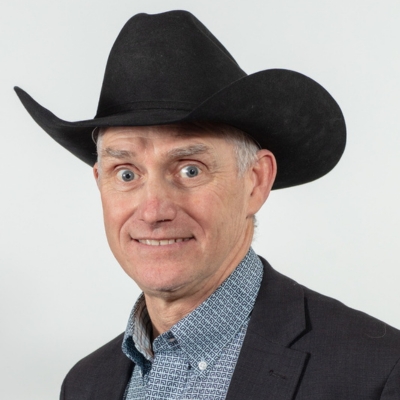
Bruce Kostelansky
Technical Services Veterinarian-Cattle, Zoetis
Bruce Kostelansky is currently a Technical Services Veterinarian-Cattle with Zoetis, joining them in June of 2020. Prior to this he was an owner in the Fort Macleod Veterinary Clinic in Fort Macleod, Alberta for 26 years. It was a busy mixed animal practice and Bruce dealt primarily with the large animal component of the practice. Cattle work involved a large Cow/calf segment, Feedlot, Purebred operations and some Dairy. He also enjoyed working with horses and was very involved with that portion of the practice. He enjoyed being a veterinarian, owning a practice and the many relationships he developed with clients over the years.
He is a 1989 graduate of the Western College of Veterinary Medicine. After graduating he attended Kansas State University where he completed a Food Animal Internship and worked at several practices in Southern Alberta before settling in Fort Macleod.
He currently lives with his wife Valerie just outside of Fort Macleod. Bruce is involved in the cattle feeding industry and enjoys spending time outdoors hunting and fishing.
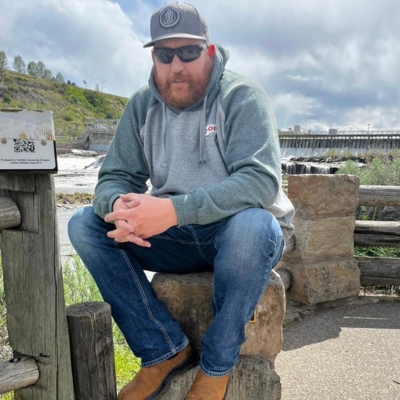
Byron Slingerland
Owner/Partner, Slingerland Feeders Ltd.
Byron Slingerland is a feedlot and irrigated crop farmer living with his wife and three boys near Coaldale, Alberta. Having grown up in a family with a beef feedlot and cow-calf operation, he has been involved in putting up forage since the age of 15. Together with his brother, he operates Slingerland Feeders Ltd handling feeding cattle, growing irrigated crops, and custom farming.
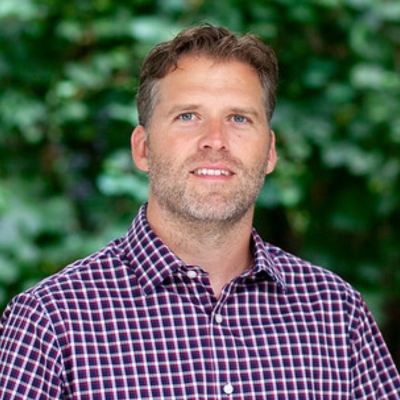
Dr. Diego Moya
Assistant Professor, Department of Large Animal Clinical Sciences at the Western College of Veterinary Medicine, University of Saskatchewan
Diego's research has been focused on the analysis of cattle behaviour to better identify and prevent health and welfare issues. His goal is to develop preventative management strategies and tailored treatment protocols to mitigate painful procedures, and to reduce the prevalence and virulence of respiratory and digestive disorders.
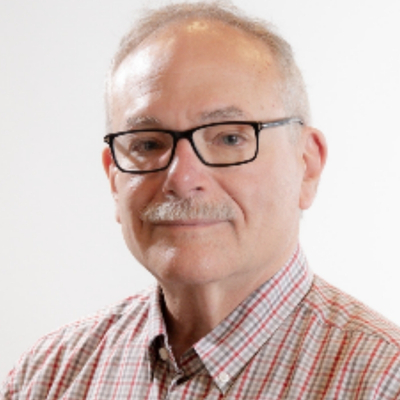
Dr. Elliot Block, Ph.D., PAS, Dipl. ACAS
Research Fellow, Arm & Hammer Animal Nutrition
Dr. Elliot Block joined Arm & Hammer Animal Nutrition as Field Technical Services Manager in 1999 and changed roles to Research Fellow (R&D) in 2019 where has been leading the Research and New Product efforts.
Elliot received his B.S. degree from Cornell University and his M.S. and Ph.D. degrees from The Pennsylvania State University. His areas of expertise are: Animal Nutrition and Physiology with research topics ranging from nutrient partitioning, development of DCAD concepts and application, Pro- and Pre-biotic applications in health.
His 45-year career started as Professor of Animal Nutrition at McGill University in Montreal, Canada where he was also part-time member of the Faculty of Medicine as Director of the McGill Nutrition and Food Science Centre. Elliot then came to Arm & Hammer at the end of 1999.
Elliot resides in Yardley, Pennsylvania after moving there with his wife and two children upon joining Arm & Hammer.
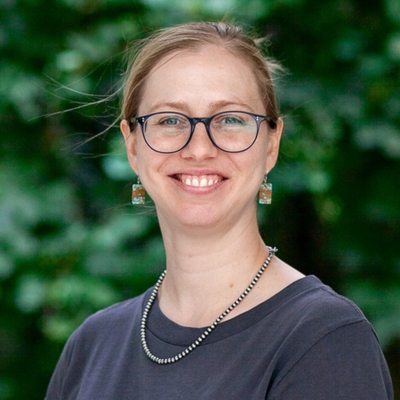
Dr. Emily Snyder
Assistant Professor, Department of Large Animal Clinical Sciences, University of Saskatchewan
Dr. Emily Snyder comes from Iowa, USA. She earned her BSc in Animal Science and Doctor of Veterinary Medicine (DVM) degrees at Iowa State University in Ames. She later attained her Master of Food Animal Medicine (MFAM) and PhD from the University of Georgia in Athens.
Dr. Snyder worked in private mixed animal practice for two years in Iowa and Illinois. Currently, her research at the University of Saskatchewan centers on antimicrobial resistance, bovine respiratory disease, and production medicine.
Antimicrobial resistance presents a significant challenge in animal agriculture. Dr. Snyder's research aims to clarify how new strains of antimicrobial-resistant bacteria contribute to bovine respiratory disease.
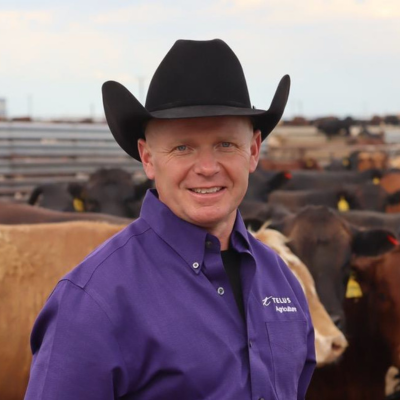
Dr. Eric Behlke
Founding Partner, Blackshirt Feeders
Dr. Eric Behlke is a Professional Services Veterinarian and Production Consultant with Feedlot Health Management Services by Telus Agriculture, is based out of Okotoks, Alberta, Canada, and travels across the globe providing consultation services to cattle operations. Additionally, he is one of the founding partners of Blackshirt Feeders, which is a large greenfield feedlot project in southwestern Nebraska.
Dr. Behlke has remained active in organized veterinary medicine by representing District 13 on the American Association of Bovine Practitioners Board of Directors and is also a past president of the Western Canadian Association of Bovine Practitioners.
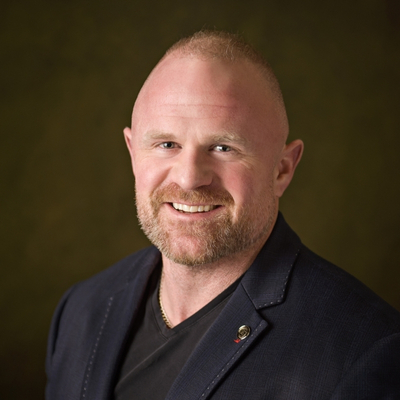
Evan Shout
Co-Founder and Chief Financial Officer, Maverick Ag Ltd
- Co-Founder and Chief Financial Officer, Maverick Ag Ltd
- Co-Founder and Lead Coach, Farmer Coach
- Chief Financial Officer, Hebert Group of Companies
Evan Shout is the co-founder and chief financial officer at Maverick Ag, an agriculture business consulting and risk management firm in Canada. He also sits as co-founder and lead coach at Farmer Coach, an education and executive coaching program for primary producers in both Canada and the US.
These organizations fall under the Hebert Group of Companies, which also includes Hebert Grain Ventures, a 42,000-acre grain and oilseed operation in Southeast Saskatchewan, where Evan sits as chief financial officer.
He also hosts The Truth About Ag podcast, a raw, off-the-cuff discussion of the real-time issues facing agriculture today.

Dr. Gabriel Ribeiro, PhD
Assistant Professor and Saskatchewan Beef Industry Chair, University of Saskatchewan
Dr. Gabriel Ribeiro is an associate professor and the Saskatchewan Beef Industry Chair in the Department of Animal and Poultry Science at the University of Saskatchewan. He comes from a family of beef and dairy farmers in the state of Minas Gerais, Brazil.
Dr. Ribeiro earned his DVM, MSc, and PhD in Animal Science (ruminant nutrition) from the Federal University of Minas Gerais (UFMG). Following the completion of his PhD, he worked as a postdoctoral fellow at Agriculture and Agri-Food Canada’s Lethbridge Research and Development Centre. Dr. Ribeiro’s research interests focus on beef cattle production and nutrition, with an emphasis on developing nutritional strategies to improve cattle health, performance, and profitability while simultaneously reducing the environmental footprint of beef production.
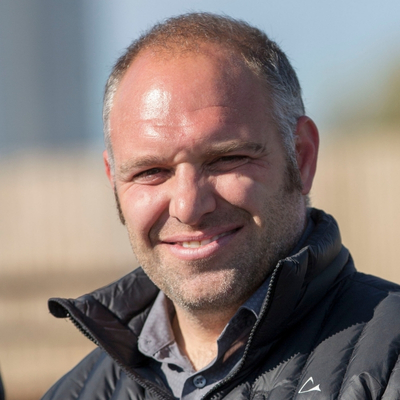
Dr. Greg Penner
Professor, Department of Animal and Poultry Science, University of Saskatchewan
Dr. Greg Penner is a Professor in the Department of Animal and Poultry Science at the University of Saskatchewan. He was hired in 2009 and has taught numerous undergraduate and graduate courses focusing on beef cattle and dairy cattle management.
Dr. Penner’s research focuses on forage utilization, beef and dairy cattle nutrition, and regulation of gastrointestinal function in ruminants. The research conducted in Dr. Penner’s program has trained over 40 students, many of which now work as nutritionists in Western Canada. The results from the research have produced nearly 200 peer-reviewed papers and over 180 invited presentations.
As part of his outreach, Dr. Penner has participated as an organizing committee member for the Saskatchewan Beef Industry Conference, Western Canadian Dairy Seminar and the Saskatchewan Pasture Tour. He currently sits as a board member for Saskatchewan Verified Beef Plus. Greg also serves as co-Editor in Chief for the Canadian Journal of Animal Science.
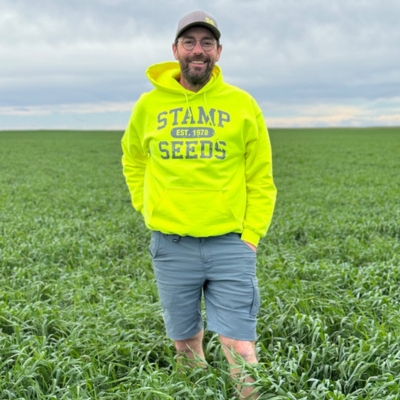
Greg Stamp
Certified Crop Adviser & Seed Sales Manager, Stamp Seeds
Greg Stamp serves as the Seed Sales Manager for Stamp Seeds, a second-generation pedigreed seed farm based in Enchant, Alberta. As a Certified Crop Adviser, he brings valuable expertise to the team.
Stamp Seeds offers over 80 seed varieties across more than 20 crop types. They produce these seeds on 13,000 acres of primarily irrigated land. Thier commitment to quality ensures farmers receive reliable seeds that perform well in diverse conditions.
Since 2015, Stamp Seeds have included hybrid fall rye in their product lineup. This addition reflects their dedication to innovation and meeting the evolving needs of farmers.
Contact Stamp Seeds today to explore their wide range of seed options.
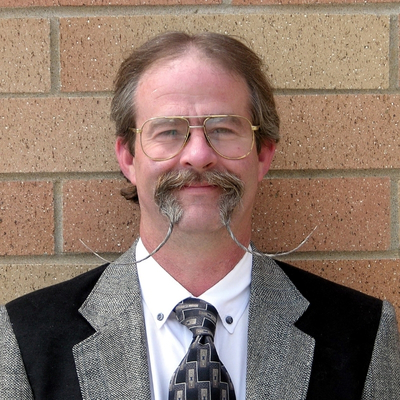
Dr. Jeffery Hall, D.V.M., Ph.D., Diplomat A.B.V.T.
Cattle Technical Services Veterinarian, Huvepharma
Dr. Jeffery Hall was a Professor at Utah State University in the Animal, Dairy, and Veterinary Sciences Department and held an appointment in the Utah Veterinary Diagnostic Laboratory, as the Head of Diagnostic Toxicology for 25 years.
Dr. Hall has B.S. in Agriculture Economics – Farm and Ranch Management and a Doctorate of Veterinary Medicine from Oklahoma State University (1987). He completed an internship, residency, and then a Ph.D. in investigational and forensic veterinary toxicology from the University of Illinois (1996). He is a licensed Veterinarian and Board Certified in Veterinary Toxicology.
His past research interests included natural toxins, nutrition, immunology, virology, parasite control, and mineral toxicology/deficiency. In his role as the toxicologist at the Utah Veterinary Diagnostic Laboratory, for 25 years, he investigated poisoning cases, as well as analyzing thousands of forage, diet, tissue, and bodily fluid samples for mineral content in order to delineate deficiencies and poisonings.
Dr. Hall came from a cow-calf operation in Cement, Oklahoma. He served as Head Coached of the Utah State University Rodeo Team for the 25 years and was a past professional competitor in bareback riding (7 years), saddle bronc riding (5 years) and bull riding (19 years).
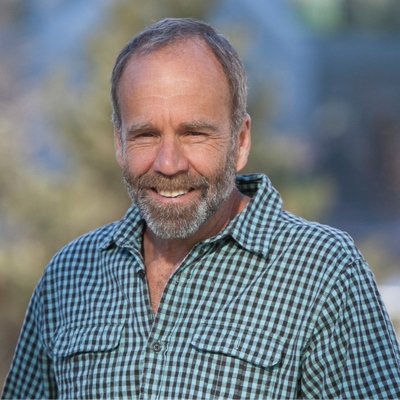
Dr. John Ellis
Professor, Department of Veterinary Microbiology at the Western College of Veterinary Medicine, University of Saskatchewan
John completed his doctorate in veterinary medicine at the University of Illinois in 1979. After one year in mixed practice, he pursued a pathology residency and earned his Ph.D. at Colorado State University, finishing in 1984. He then joined the International Laboratory for Research on Animal Disease in Nairobi, Kenya, focusing on bovine cellular immunology as a postdoctoral fellow.
Subsequently, John worked as a diagnostic pathologist in the Department of Veterinary Science at the University of Wyoming. Since 1992, he has served as a Professor in the Department of Veterinary Microbiology at the Western College of Veterinary Medicine, University of Saskatchewan, where he instructs students in virology and immunology.
John has an impressive publication record, contributing over 200 peer-reviewed articles. From 1995 to 2005, he ranked as the second most cited author in veterinary literature. He has also produced textbook chapters and various papers and lectures for conference proceedings. His expertise has led him to deliver over 300 invited lectures in scientific forums.
John has conducted primary research on numerous infectious diseases, including lentiviral infections in sheep and circovirus infections in pigs. A key area of his research involves developing and testing intranasal and parenteral vaccines for respiratory infections, such as bovine respiratory syncytial virus in calves.
He holds the title of Diplomate from both the American College of Veterinary Pathologists and the American College of Veterinary Microbiology, specializing in immunology and virology. In recognition of his contributions, the ACVM named John the Distinguished Veterinary Microbiologist for 2024.
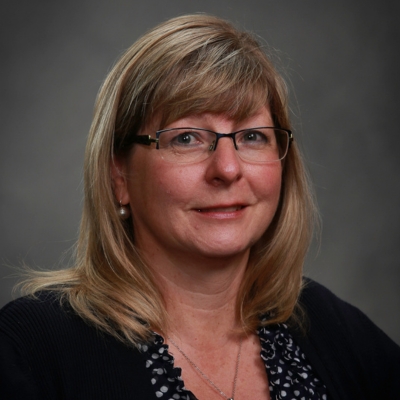
Dr. Karen Schwartzkopf-Genswein
Adjunct Professor, University of Saskatchewan, University of Calgary, University of Lethbridge, Nebraska State University & UNESP University
Dr. Schwartzkopf-Genswein was raised on a farm in southern Alberta that owns and operates a feedlot. She obtained here PhD at the University of Saskatchewan in Applied Animal Ethology in 1996 and accepted a research scientist position in beef cattle welfare and physiology with Agriculture and Agri-Food Canada in Lethbridge in 2003 where she is currently a principal scientist. Her research includes pain/stress assessment and mitigation strategies associated with routine management procedures such as transport, castration, dehorning, and lameness. She has also focused her research in the area of stress reduction and early detection of illness focusing on BRD in feedlot cattle.
She provides expert advice to provincial, federal and international producer groups on issues related to beef welfare including the National Cattle Feeders Association, Beef Cattle Research Council, Canadian Council on Animal Care and the NCBA in the US. She has served as past (2011-2013) and current (2024-2027) chair of the Scientist Committee for updating the Canadian Codes of Practice for the Care and Handling of Beef Cattle. She has also serves as a subject expert on the Science Advisory Committee for the Canadian Round Table for Sustainable Beef (CRSB) over the last 6 years.
Dr. Schwartzkopf-Genswein is currently an adjunct professor at the University of Saskatchewan, University of Calgary, University of Lethbridge, Nebraska State University and UNESP University in Sao Paulo, Brazil where she is active in supervising and mentoring students at the Bachelors, Masters, and PhD levels. She is Past President of the Canadian Society of Animal Science and was an associate editor for the Canadian Journal of Animal Science for 6 years 2004-2011. She has authored/coauthored over 250 peer reviewed manuscripts, book chapters and popular press articles.
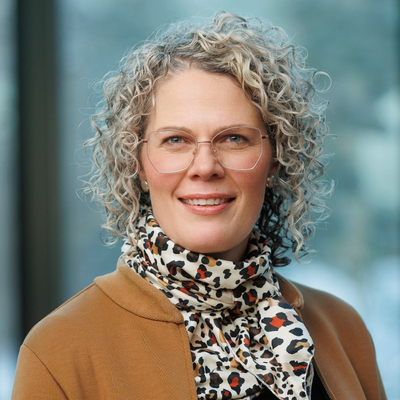
Kathy Larson
Extension Economist, Department of Agricultural and Resource Economics, University of Saskatchewan
Prior to joining University of Saskatchewan in 2018 she worked for the Western Beef Development Centre for 8 years.
She has conducted cost of production analysis for beef cattle, bison and meat goats and is a provincial liaison for the Canadian Cow-Calf Cost of Production Network. Her research often involves investigating the profitability of practices and technologies for beef cow-calf producers.
Originally from a cattle and grain farm in southeast Saskatchewan near the town of Francis, she now calls Prince Albert home.

Kevin Antworth
President, Saskatchewan Cattle Feeders Association
Kevin Antworth was raised on a diverse farm in New Brunswick and took charge of a beef herd at the age of twelve. In 1998, he formed a partnership with his brother to expand potato production and established their initial feed yard in 1994. In 2011, he relocated to Saskatchewan where he has overseen commercial feedlots.
Director on following Boards:
- New Brunswick cattle Producers
- New Brunswick Agriculture Advisory Table
- Canadian Cattlemen’s Association
- National Check Off
- Canadian Beef Grading Agency

Mitchell Japp
Research and Extension Manager, SaskBarley
Mitchell joined SaskBarley in 2020 to coordinate the research portfolio and share the results of the research with farmers so they can implement the ideas on-farm. SaskBarley has several options to get information, centred around the BarleyBin, SaskBarley’s extension arm. Mitchell is excited about generating new ideas and seeing the results. Mitchell and his wife Leah live on an acreage, with three children ages 8, 12 and 16, near Bethune and Lumsden.

Dr. Murray Jelinski
Alberta Chair in Beef Cattle Health and Production Medicine, Western College of Veterinary Medicine
Dr. Jelinski received his DVM from the Western College of Veterinary Medicine in 1985. Upon graduation he established a mixed animal practice in Moosomin, Saskatchewan, which he owned and operated for seven years. In 1992 he returned to the WCVM to complete a MSc. degree in epidemiology.
In 1995, he began a career in the Canadian veterinary pharmaceutical industry, starting as Manager of Regulatory Affairs and Product Development for Hoechst Roussel Vet (Regina, Sk) and ending as General Manager for MetaMorphix Canada Inc., an early stage biotechnology company.
In 2005, Murray joined the WCVM as the “Alberta Chair in Beef Cattle Health and Production Medicine.” Dr. Jelinski has a broad range of research interests including: the changing demographics of veterinary practitioners and livestock producers in western Canada; pneumonia and arthritis in feedlot cattle caused by the bacterium Mycoplasma bovis; Toe Tip Necrosis Syndrome in feedlot cattle; Digital Dermatitis (“Hairy Heel”) in feedlot cattle; and internal parasites of pastured yearling cattle.
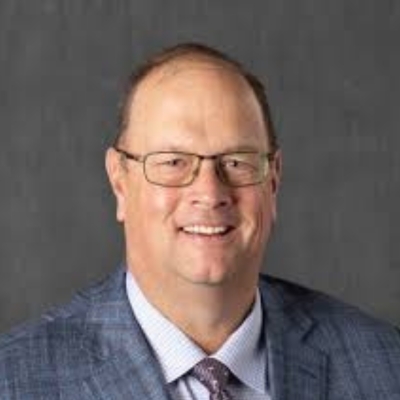
Dr. Warren Rusche
Assistant Professor, Extension Specialist - Feedlot Management, South Dakota State University
Warren Rusche, a South Dakota native, brings over thirty years of expertise in the livestock industry. His background includes working with county, regional, and state Extension programs, in addition to managing his family’s cow-calf and cattle feeding business in Kingsbury County.
He earned a Bachelor of Science in Animal Science from South Dakota State University in 1990 and a Master of Science in the same field from Kansas State University in 1992. In 2021, he achieved his Ph.D. in Animal Science from South Dakota State University.
Warren’s work emphasizes improving the value of crops and feed for cattle producers in South Dakota. His research and outreach efforts target key areas to enhance local agriculture.
As an assistant professor and SDSU Extension feedlot specialist at South Dakota State University in Brookings, Warren actively supports South Dakota residents. He develops strategies to boost the value of local feedstuffs and tackles environmental challenges. These initiatives promote economic growth in rural South Dakota.